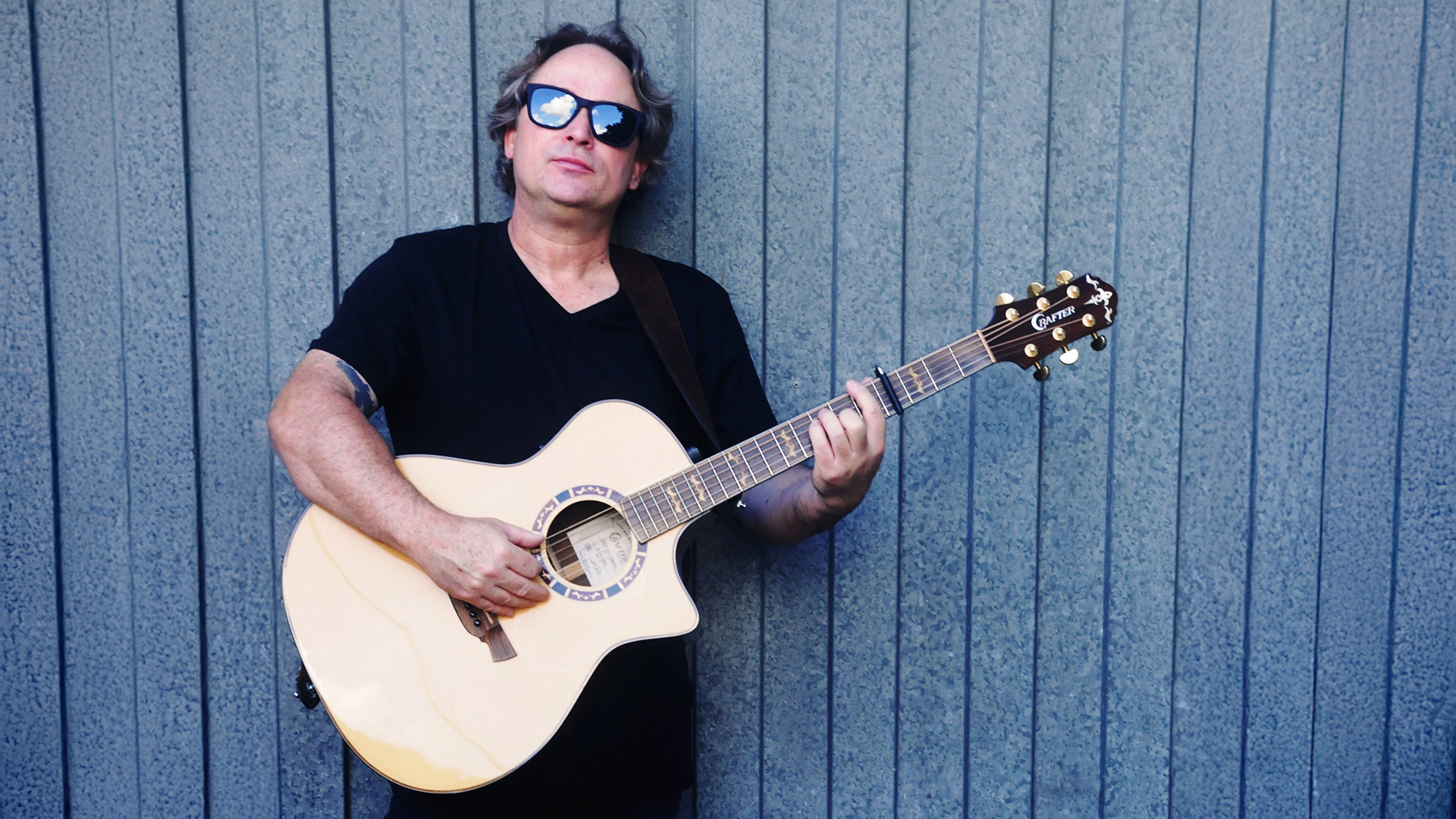
Photos by Cecilia Knowles Photography
Anton Edwards on Identity, Betrayal and Turning His Live Favourite ‘You Don’t Really Know Me’ into a Long-Awaited Official Release
For over 17 years, South African singer-songwriter Anton Edwards has watched one of his songs evolve on stages through hundreds of performances and shared moments with audiences. The song called ‘You Don’t Really Know Me, has long been one of his most requested live tracks. Now, after more than 1,500 shows and a career built patiently through connection rather than hype, Anton Edwards is finally releasing it on 20 February. In this conversation, he reflects on the long journey behind the song, the emotional weight it carries, and what it means to finally let it live beyond the stage.
Q: For readers discovering you for the first time, how would you describe your journey as an artist, and what has kept you committed to music over such a long period?
Anton Edwards: I would describe it as a slow burn that never lost its heat. It has been a journey of evolution, from the raw energy of fronting God’s Zoo and hitting the charts with ‘War’, to the more introspective, melodic depth of my Afrikaans project, Werkloos. What keeps me committed is the connection. After more than 1,500 performances, you realise that music is not just a career; it is a shared language. Whether I am playing for a corporate audience or a festival crowd, that moment when a song resonates with a stranger is what keeps me coming back to the stage.
Q: ‘You Don’t Really Know Me’ has existed in your live shows for nearly two decades. Do you remember the moment or period when the song was first written, and what was happening in your life at the time?
Anton Edwards: I remember it vividly. It started on an acoustic guitar about 17 years ago. At the time, I was navigating that universal but painful realisation that someone you love can become a stranger. It came from a place of feeling lost in the wake of someone else’s lies. It was a very quiet, confessional piece back then, just me, my wounds, and a few chords trying to make sense of a betrayal.
Q: Many artists rush to release music quickly. You did the opposite with this song. What held you back from releasing it earlier, and what finally told you the timing was right now?
Anton Edwards: I think I owed it to the song to let it grow up. For a long time, it felt like a private conversation between me and my live audience. I did not want to trap it in a recording until I knew exactly what it wanted to be. The timing feels right now because I have finally found the balance between that intimate, acoustic heartbeat and the propulsive energy it gathers when I play it live. It is no longer just a sad song; it is an anthem of survival.
Q: You have played this song in front of thousands of people before it ever reached a studio. How did years of live audience reactions shape the way you approached the recording?
Anton Edwards: The audience acted as my co-producers. Over the years, I watched which lines made people lean in and which moments made them want to move. Crowds started singing the chorus back to me before I even had a final version. That is why the studio track has that club-ready energy, because I have seen it turn a room around in person. The recording needed to feel as big as those 1,500 nights felt.
Q: The song explores trust breaking down inside a relationship that still holds love. Was it difficult to revisit those emotions so many years later while recording it?
Anton Edwards: It is a bit like looking at an old scar. You remember how you got it, but it does not hurt the same way anymore. Singing lyrics like “You don’t seem to notice what I’ve been dreaming of” feels empowering now. It is less about the pain of the betrayal and more about the clarity that comes afterwards. Recording it was a way of finally staying or leaving for good, as the lyric says.
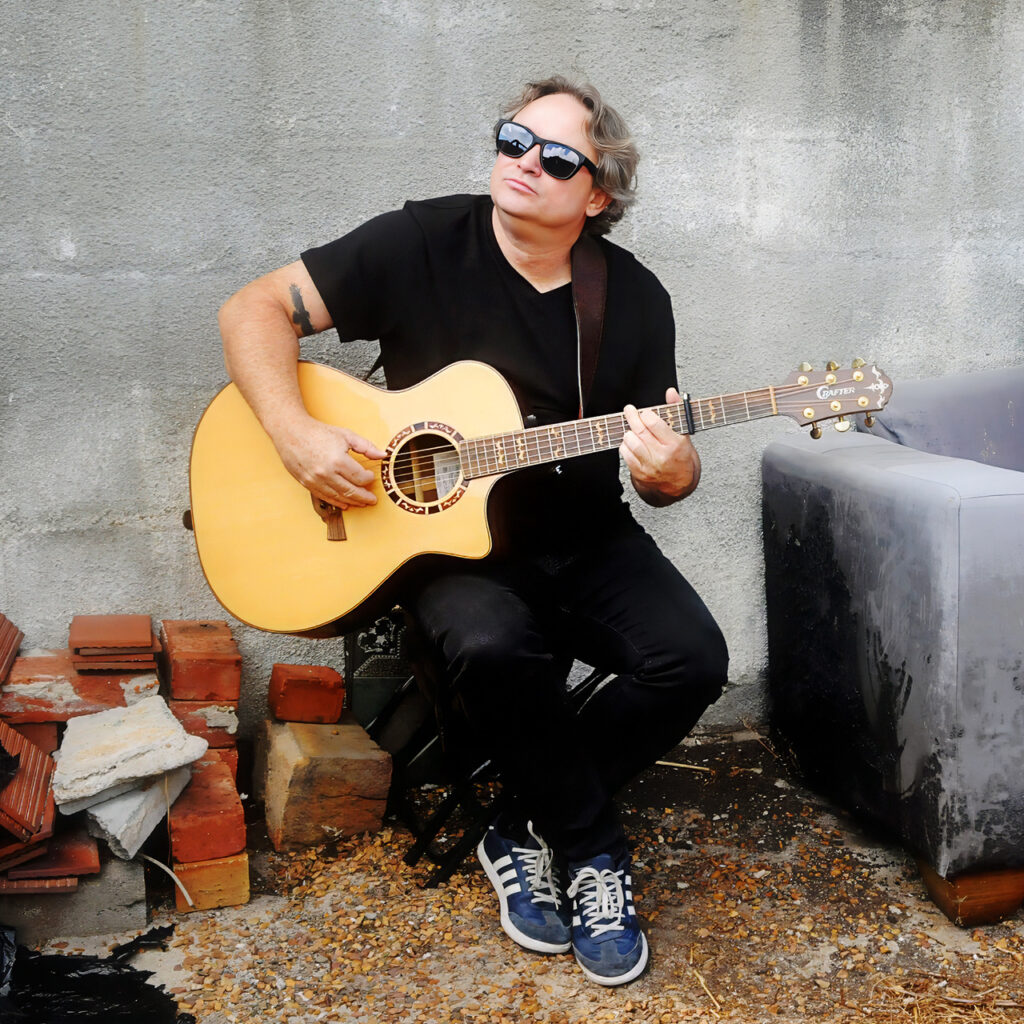
Q: You started the song on acoustic guitar, yet the released version leans into contemporary, alternative dance-influenced pop. How did you balance keeping the song’s emotional core while updating its club sound?
Anton Edwards: It was all about the intimate heartbeat. We kept the verses piano-led and the vocals warm and storytelling-focused, which honours the song’s origins. Then we allowed the chorus to open into that textured, electronic space. It mirrors the feeling of internal thoughts meeting the outside world. I wanted it to be music for people who want to feel something and for those who want to move.
Q: The title ‘You Don’t Really Know Me’ speaks strongly to identity. Looking back now, do you feel the song reflects who you were then, who you are now, or both?
Anton Edwards: It is both. The version of me from 17 years ago was searching for identity in someone else’s eyes. The person I am now understands that the real me is not defined by those lies or by that winter closing in. It has become a song about the evolution of self-worth.
Q: You have shared stages with many major South African artists and performed in vastly different settings. How have those experiences shaped your confidence as both a songwriter and performer?
Anton Edwards: Opening for artists like Just Jinjer, Jesse Clegg and Watershed teaches you one thing very quickly: you must be authentic. You cannot hide behind production on stage. Those experiences gave me the quiet authority you hear in my newer work. Whether it is a festival or a small club, the song must stand on its own.
Q: For international listeners who may not know the South African music landscape, what do you think your background adds to your songwriting perspective?
Anton Edwards: South African artists tend to be resilient by necessity. We play to diverse audiences, so our music mustbe flexible and honest. My background brings a mix of grit and soul. We do not just write hooks; we write stories that must resonate across very different cultural spaces.
Q: After more than 1,500 live performances, what does live music still teach you that the studio cannot?
Anton Edwards: Honest reaction. In the studio, you can overthink details endlessly. On stage, you know almost immediately whether something connects. Live music teaches you that perfection is less important than connection.
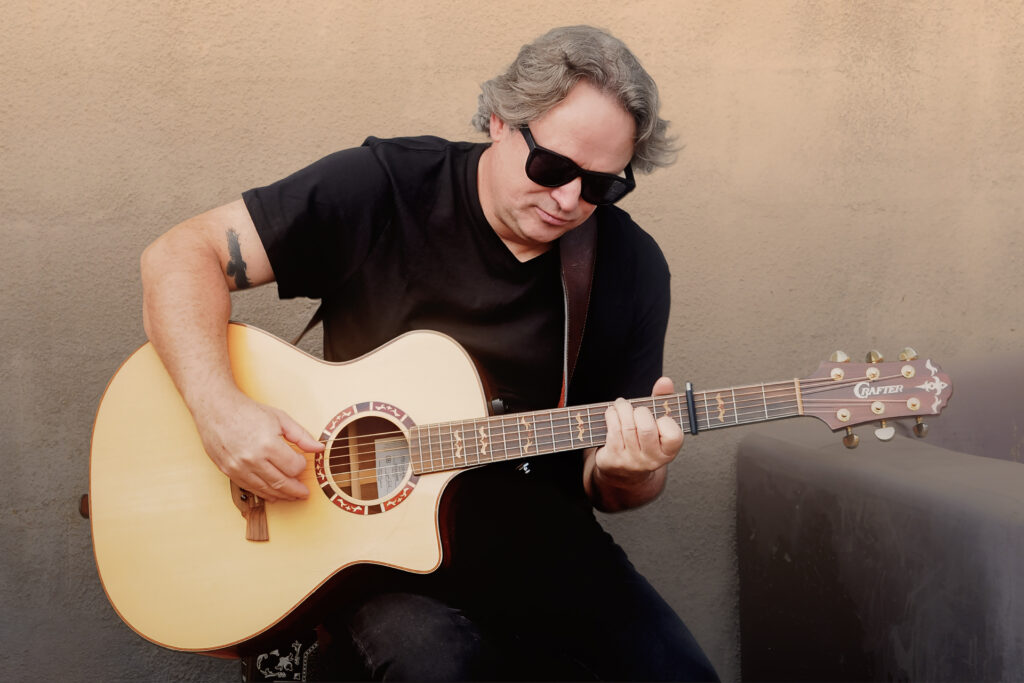
Q: This single is taken from your upcoming re-released album ‘Strangelove’. What can listeners expect from that project, and how does it reflect where you are creatively at this stage of your career?
Anton Edwards: It is a journey through my musical chapters. It reflects where I have been and where I am heading. ‘Where I Go, There I Am’ captures that sense of arrival. It is the sound of a seasoned artist who is no longer trying to be anyone else. It is polished, eclectic, and still carries the raw frontman energy I started with.
Q: Finally, if someone hears ‘You Don’t Really Know Me’ for the first time without knowing your history, what do you hope they feel when the song ends?
Anton Edwards: I hope they feel a sense of relief. Even if someone feels they are standing alone in the aftermath of something difficult, I want them to feel less isolated. If the song leaves them feeling seen and ready to move forward, then it has done its job.
With ‘You Don’t Really Know Me’, Anton Edwards delivers more than a long-awaited studio release. He offers a rare example of a song allowed to grow naturally alongside an artist and his audience. Shaped by time, trust and years of shared live experience, the single captures both emotional honesty and earned confidence. It serves as a reminder that some songs arrive exactly when they are meant to.
• Stream ‘You Don’t Really Know Me’ available from Friday 20 February on all major platforms – https://hypeddit.com/antonedwards
About Anton Edwards
Anton Edwards is a seasoned South African singer-songwriter and live performer known for his dynamic stage presence and wide-ranging musical versatility. With more than 1,500 live performances, he has built a reputation as an engaging and highly professional artist within both the live entertainment and corporate markets.
He first rose to prominence as the frontman and songwriter for the innovative rock band God’s Zoo, whose single ‘War’ reached number three on 5FM’s Modern Rock Chart, competing alongside major international acts. Another original composition, ‘Shine’, was selected as a Top 10 finalist in the national Coca-Cola and Virgin Records Songwriting Competition, further cementing his songwriting credentials.
Expanding his creative reach, Anton co-founded the Afrikaans alternative project Werkloos with long-time collaborator Michael Raubenheimer. Their EP ”n Hart vir Gillooly’s’ received critical acclaim for its melodic depth and intelligent lyricism, while debut single ‘Enkeling’ entered at number one on East Rand Stereo and received widespread regional radio rotation. Werkloos’s growing influence led to the duo being appointed official brand ambassadors for Audiosure South Africa, endorsing Wharfedale, Samson and Allen & Heath.
Anton wrote and composed the official Mighty Woman Global song for 2026, titled ‘You Are Called’, reflecting his ability to create music with both emotional and cultural impact.
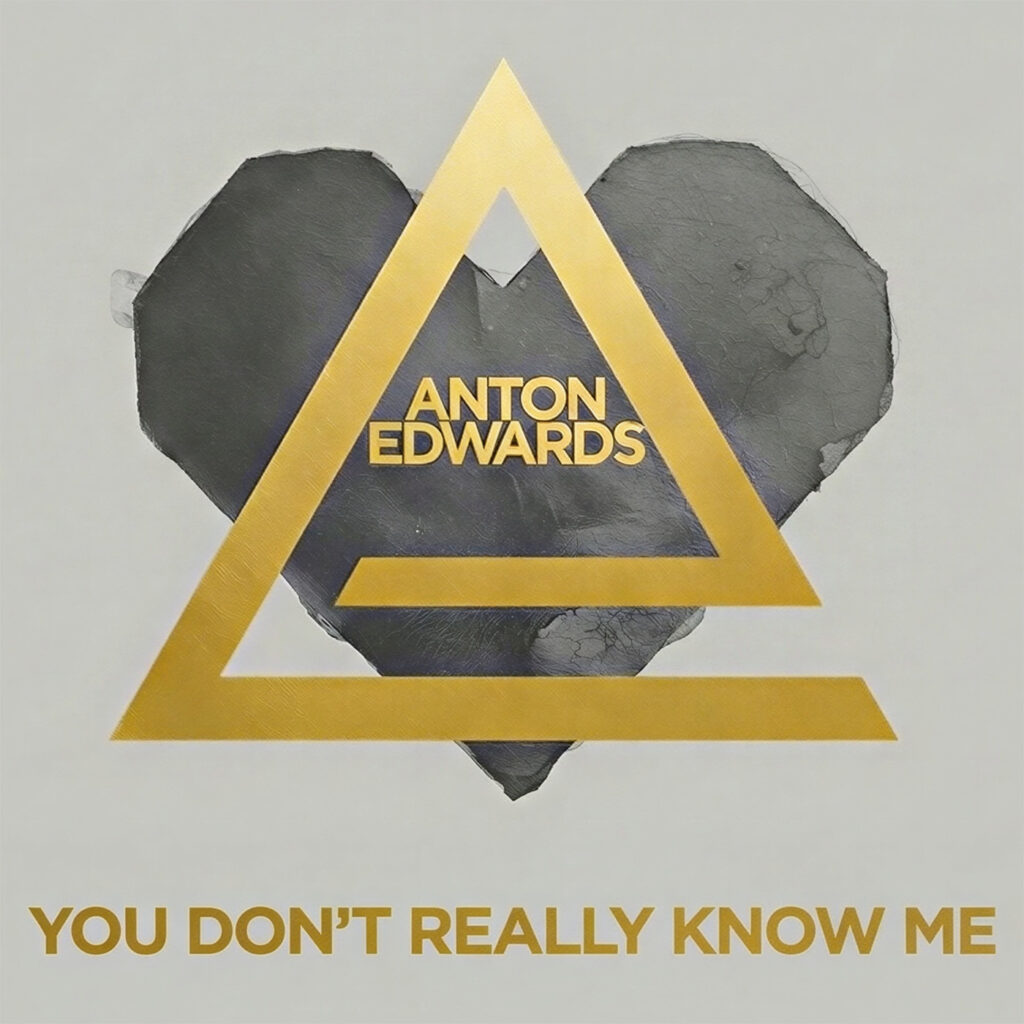
Anton’s latest single ‘You Don’t Really Know Me’ features on the upcoming re-released solo album ‘Strangelove’. His second full-length album, ‘Where I Go, There I Am’ will also be released later in 2026, marking the next chapter in a career defined by longevity, evolution and consistent audience connection.
Throughout his career, Anton Edwards has shared stages with and opened for many of South Africa’s most respected artists, including Just Jinjer, The Parlotones, Prime Circle, Springbok Nude Girls, Watershed, Wonderboom, Mean Mr Mustard, Jesse Clegg, Mark Haze, and many others.
• All Links: https://linktr.ee/antonedwardsmusic
• Facebook: https://www.facebook.com/antonedwards001
• Instagram: https://www.instagram.com/anton_edwards_music
• TikTok: https://www.tiktok.com/@antonedwardsmusic
• YouTube: https://www.youtube.com/@antonedwardsmusic/featured